Concrete Steps & Stairs
Safe, durable steps and entryways that provide reliable access to your home or building.
Why Choose Concrete for Steps and Stairs
Your home or building entrance makes an important first impression. Concrete steps provide a permanent, low-maintenance solution that looks professional and lasts for decades. Unlike wood steps that rot, warp, or require regular painting and staining, concrete steps need minimal upkeep. They handle all weather conditions without deteriorating. Snow and ice removal is easier on concrete than on wood or composite materials. Concrete will not splinter, crack from drying, or become slippery like painted wood.
Safety is another major advantage of concrete steps. Properly designed concrete stairs have consistent riser heights and tread depths, which reduces trip hazards. We can texture the surface for excellent traction even when wet or icy. Concrete steps do not flex or feel unstable like some other materials might after years of use. Railings can be securely anchored into concrete, providing solid support. For homes with elderly residents or anyone with mobility challenges, reliable steps are essential.
Concrete steps also offer design flexibility. We can build simple, functional steps or create elaborate entryways with curves, multiple landings, and integrated planters or walls. Concrete can be finished smooth, textured, or stamped to complement your home architecture. Color options let you coordinate steps with your house or landscape. Whether you need basic basement access steps or an impressive front entrance stairway, concrete provides the durability and appearance you want.
Types of Concrete Steps We Build
Front Entry Steps and Porches
Front entry steps are the most visible steps on your property. They need to be attractive, safe, and appropriately scaled for your home. We design front steps to meet building code requirements for tread depth, riser height, and handrail placement. Typical residential steps have 7 to 8 inch risers and 10 to 12 inch treads. These dimensions provide comfortable, safe climbing while meeting code requirements.
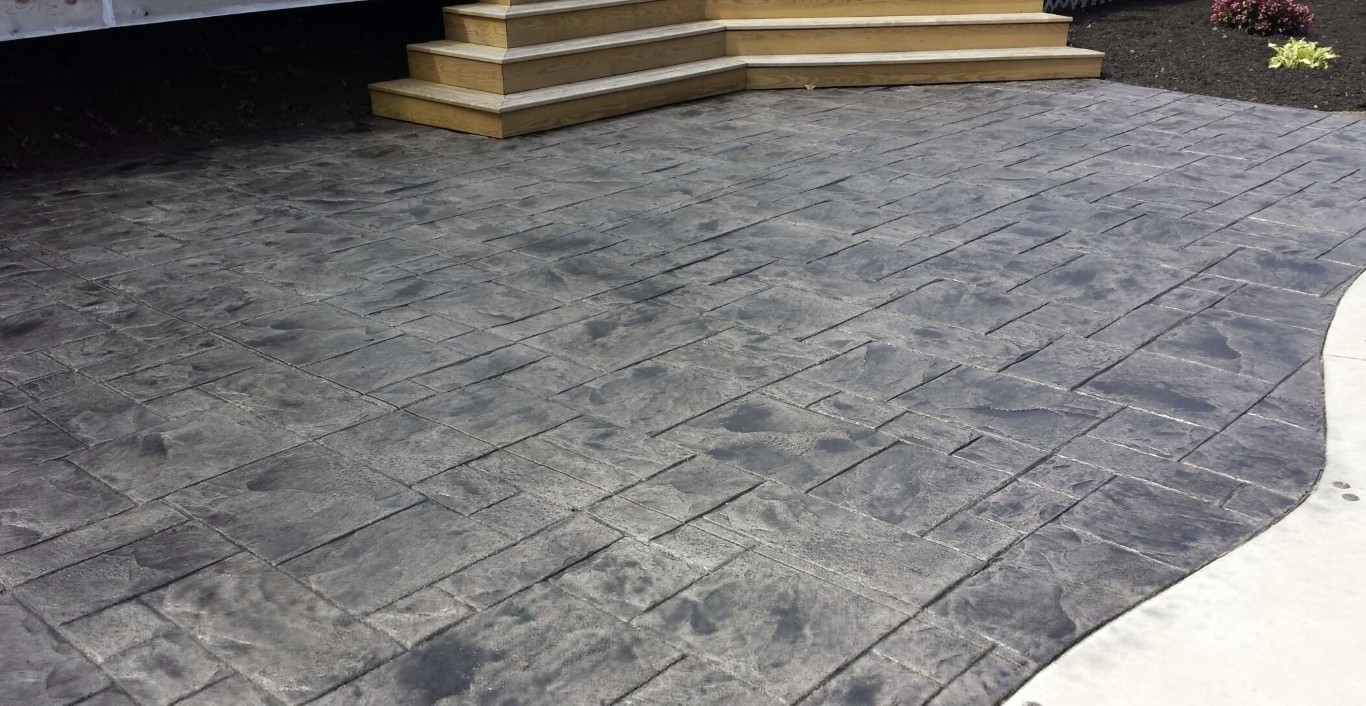
Many front entries include a landing or small porch at the top. This provides a place to stand while opening the door and gives the entrance a more substantial feel. We can integrate planters, seat walls, or decorative elements into your front step design. The steps can be straight, angled, or curved depending on your preference and site layout. Finished surfaces range from basic broom finish for traction to decorative stamped patterns that mimic stone or tile.
Basement and Side Entry Stairs
Basement stairs provide access to lower levels or walkout basements. These stairs often descend several feet and may include multiple landings for safety and code compliance. Proper drainage around basement stairs is critical. We ensure water drains away from the stairwell rather than pooling at the bottom where it could enter your basement. This might involve installing drains at the base of the stairs or grading the surrounding area properly.
Side entry stairs serve kitchen doors, mudroom entrances, or other secondary access points. While less prominent than front steps, they still need to be safe and durable. We often add small landings at these entries to provide a level area outside the door. The width depends on how the entrance is used. A basic side door might need only 3-foot-wide steps, while entries used for moving large items should be wider.
Patio and Deck Transitions
Steps connecting patios to lawns or connecting different patio levels need to blend with your outdoor living space. These steps can be built as part of your patio installation or added later. Wide, gradual steps work well for outdoor spaces where people gather. We might build steps that span the full width of a patio rather than narrow stairs. This creates a more open feel and allows easier movement between levels.
Other Stair Applications
We build concrete stairs for many other situations:
- Garage access steps from house to attached garage
- Pool stairs providing entry into above-ground pools
- Garden steps navigating sloped yards
- Loading dock stairs for commercial properties
- Interior stairs for basements or split-level homes
- Bulkhead replacements for basement access
Each application has specific requirements based on use, code requirements, and aesthetic preferences. We work with you to design stairs that meet your practical needs while fitting your property and budget.
Our Step Construction Process
Design and Code Compliance
Building safe, code-compliant stairs requires careful planning. We start by measuring the total rise, which is the vertical distance from the bottom to top. This determines how many steps are needed. Building codes specify maximum riser heights and minimum tread depths. We design stairs that meet these requirements while fitting your space and looking proportional to your home. For stairs requiring handrails, we plan railing placement during the design phase.
We consider drainage and safety features during design. Will water run down the stairs or can we slope the treads slightly to drain to the sides? Do you need lighting integrated into or near the steps? Should we add non-slip texture or could decorative finishes provide adequate traction? We discuss these details with you and create a plan that addresses all functional and aesthetic concerns.
Forming and Reinforcement
After excavation and base preparation, we build precise forms that define the shape of the stairs. Form work for stairs is more complex than for flat surfaces. Each riser must be exactly the same height and each tread the same depth. We use careful measurements and levels to ensure accuracy. The forms must be sturdy because concrete pushes hard against them, especially on stairs where weight concentrates in small areas.
Reinforcement is critical for concrete stairs. We install rebar according to engineering specifications or building codes. The steel reinforcement helps stairs resist cracking from the loads they carry and from temperature changes. For larger stair projects, the reinforcement may need to tie into foundation walls or landings for maximum strength. Proper reinforcement placement is one reason professional concrete stairs last so much longer than poorly built ones.
Pouring and Finishing
We pour concrete stairs starting from the bottom and working up. This allows each step to support the concrete above it. The concrete must be carefully placed and vibrated to eliminate air pockets. We screed each tread level and smooth it with hand floats. Edges are rounded slightly to prevent chipping. The surface finish depends on your preference. A broom finish provides good traction. Trowel smooth finishes look cleaner but may need slip-resistant strips or texturing for safety.
For decorative steps, we might apply stamping or coloring during finishing. This work requires timing and skill to get right. The concrete must be firm enough to hold the pattern but soft enough to accept the stamps. After finishing, we protect the concrete with curing compound and restrict traffic until it gains adequate strength. Forms are removed after the concrete cures, revealing the completed stairs.
Final Details and Railings
If railings are part of the project, we coordinate their installation. We can set sleeves in the concrete during pouring for later railing attachment, or drill and anchor railings after the concrete cures. Building codes require railings on stairs with more than three risers in most cases. We ensure railings meet code height and strength requirements. The surrounding area is graded and landscaped to blend with the new steps. The completed stairs provide safe, attractive access that will serve you for decades.