Stamped & Decorative Concrete
Get the elegant look of natural stone or brick with the strength and affordability of concrete.
Transform Your Property with Decorative Concrete
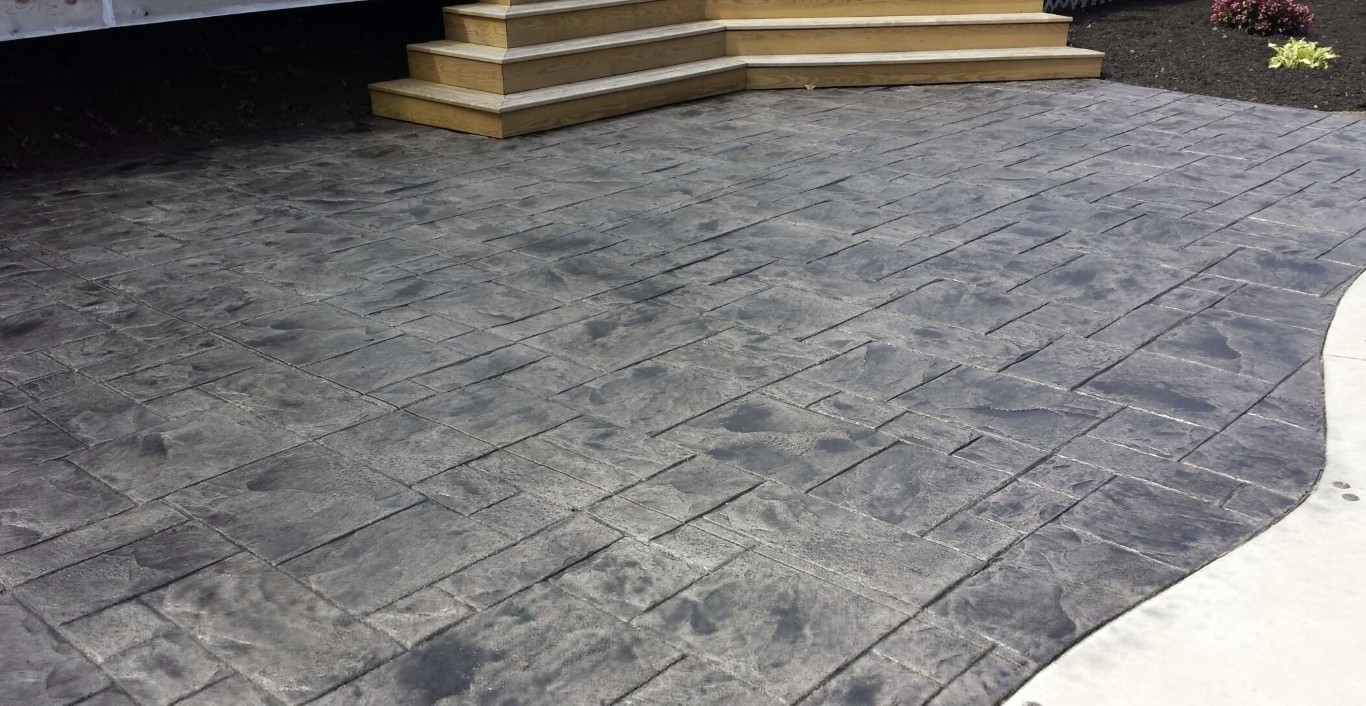
Decorative concrete allows you to achieve stunning visual effects that rival or surpass expensive materials like natural stone, brick pavers, or slate. With stamped concrete, you get realistic texture and pattern that mimics these premium materials at a fraction of the cost. The result is a beautiful surface that enhances your property value while remaining practical and durable. This combination of aesthetics and function makes decorative concrete increasingly popular with homeowners who want something special, whether that means a resurfaced walkway or a full stamped concrete patio.
The process involves imprinting patterns into fresh concrete using specialized stamps. These stamps are made from flexible rubber or rigid polyurethane and create incredibly detailed textures. You can choose from dozens of patterns including slate, flagstone, cobblestone, brick, wood plank, and more. Color is added through integral pigments mixed into the concrete or applied to the surface. The finished product looks remarkably like the real material but without the drawbacks of loose pavers or expensive stone.
Beyond stamping, other decorative techniques include exposed aggregate, acid staining, concrete overlays, and polished concrete. Each method creates a unique appearance. Many homeowners use decorative concrete for patios, pool decks, driveways, walkways, and interior floors. When you work with experienced professionals, the design possibilities are nearly limitless.
Popular Decorative Concrete Options
Stamped Concrete Patterns
Stamped concrete offers the widest variety of design options. The most popular patterns mimic natural materials. Ashlar slate creates the look of cut stone in irregular rectangular shapes. Random stone mimics natural fieldstone with organic shapes and sizes. Cobblestone creates the charm of old European streets. Brick patterns range from running bond to herringbone layouts. Wood plank stamps produce the look of hardwood decking without the maintenance.
Pattern choice depends on your architectural style and personal preference. Traditional homes look great with brick or cobblestone patterns. Contemporary styles pair well with slate or geometric patterns. Rustic properties shine with flagstone or random stone. We can also combine patterns, using one for the main area and another for borders or accents. During your consultation, we show you sample images and discuss which patterns work best for your project, drawing on the same design principles that make concrete stamping a popular choice for homeowners across the region.
Color and Finish Techniques
Color transforms plain concrete into something special. Integral color is mixed into the concrete before pouring, providing consistent color throughout the slab. This method works well for single-color applications and provides the best long-term color retention. Color hardeners are applied to the surface and worked into the concrete during finishing. These products create more intense colors and increase surface durability.
For a more natural multi-tone appearance, we use antiquing agents or release powders. These products create color variation that mimics the weathered look of aged stone. Earth tones like tan, brown, terra cotta, and gray are most popular. You can also choose from bolder colors like red, blue, or green for unique effects. We typically combine two or three colors to create depth and realism. The right color combination makes stamped concrete nearly indistinguishable from the real material.
Other Decorative Techniques
Beyond stamping, several other techniques create beautiful concrete surfaces:
- Exposed aggregate reveals the natural stone within the concrete mix for a textured, slip-resistant surface
- Acid staining chemically reacts with concrete to create rich, variegated colors with a marbled appearance
- Engraving or saw-cutting creates patterns, borders, or designs in existing concrete
- Overlays apply a thin decorative layer over existing concrete to refresh worn surfaces
- Polished concrete grinding creates a smooth, glossy finish popular for modern interiors
- Stenciling applies patterns or logos to concrete surfaces
Each technique has specific applications and cost considerations. We help you choose the method that achieves your vision within your budget. Some techniques work better for new construction, while others are ideal for refreshing existing concrete.
The Stamped Concrete Installation Process
Planning and Preparation
Successful decorative concrete starts with careful planning. We discuss your design preferences, review pattern and color options, and create a plan that fits your space. Site preparation follows the same high standards as any quality concrete work. We excavate to the proper depth, install a compacted gravel base, and ensure proper drainage. The base must be solid because any settling will crack the decorative surface.
Forms are set to define the area and control thickness. We plan the layout of patterns, considering where pattern lines will fall and how the design flows through the space. For large areas, we install control joints that manage cracking while maintaining the pattern integrity. Timing is crucial for decorative concrete. We coordinate our crew and have all materials on site before the concrete arrives.
Pouring and Initial Finishing
When the concrete truck arrives, we work quickly and efficiently. The concrete is poured and spread evenly across the prepared area. We screed it to the correct level and use bull floats to smooth the surface. If using integral color, it is already mixed in. If using color hardeners, we broadcast them onto the wet surface and float them in. This creates the base color for the decorative finish.
Timing the next steps requires experience and judgment. The concrete must reach the right consistency before stamping. Too wet and the stamps will sink too deep. Too dry and the pattern will not transfer well. We monitor the surface constantly, testing it for readiness. This waiting period varies based on temperature, humidity, and wind conditions.
Stamping and Detailing
When the concrete reaches the proper consistency, we apply release agent. This powder or liquid prevents the stamps from sticking to the concrete while adding color variation. Then we carefully place the stamp mats on the surface and press them in using tamping tools and our body weight. Each stamp must align properly with the previous one to maintain the pattern continuity. We work systematically across the area, moving stamps forward as we go.
After stamping, we hand-detail the edges and any areas where the stamps could not reach. This ensures the pattern looks natural and complete. We may touch up joints or fix minor imperfections in the stamped pattern. The attention to detail during this phase separates good work from exceptional results. Our team has the skill and patience to get it right.
Curing and Sealing
After stamping, the concrete must cure properly to develop full strength. We protect it from traffic and weather for at least several days. Once cured, we thoroughly clean the surface to remove excess release agent. Then we apply a high-quality sealer designed for decorative concrete. Sealer protects the color, enhances the appearance, and makes the surface more resistant to stains and wear. Most stamped concrete benefits from resealing every 2 to 3 years to maintain protection and appearance.